
Facebook and Instagram Social Media Marketing and Advertising Case Study (Hospitality Brand 2025)
The backbone of this project was simple: Facebook and Instagram social media marketing and advertising done properly, consistently, and with a clear strategy. As a digital marketing specialist and marketing expert in Sydney, I’ve seen too many hospitality brands treat social media like a highlight reel instead of a system. This case study breaks down how I approached a brand that had no structured marketing, just random posts, and turned it into a consistent, revenue-focused engine using Meta platforms. As an advertiser in Sydney, the focus wasn’t just on reach or likes, but actual bookings, foot traffic, and repeat customers.
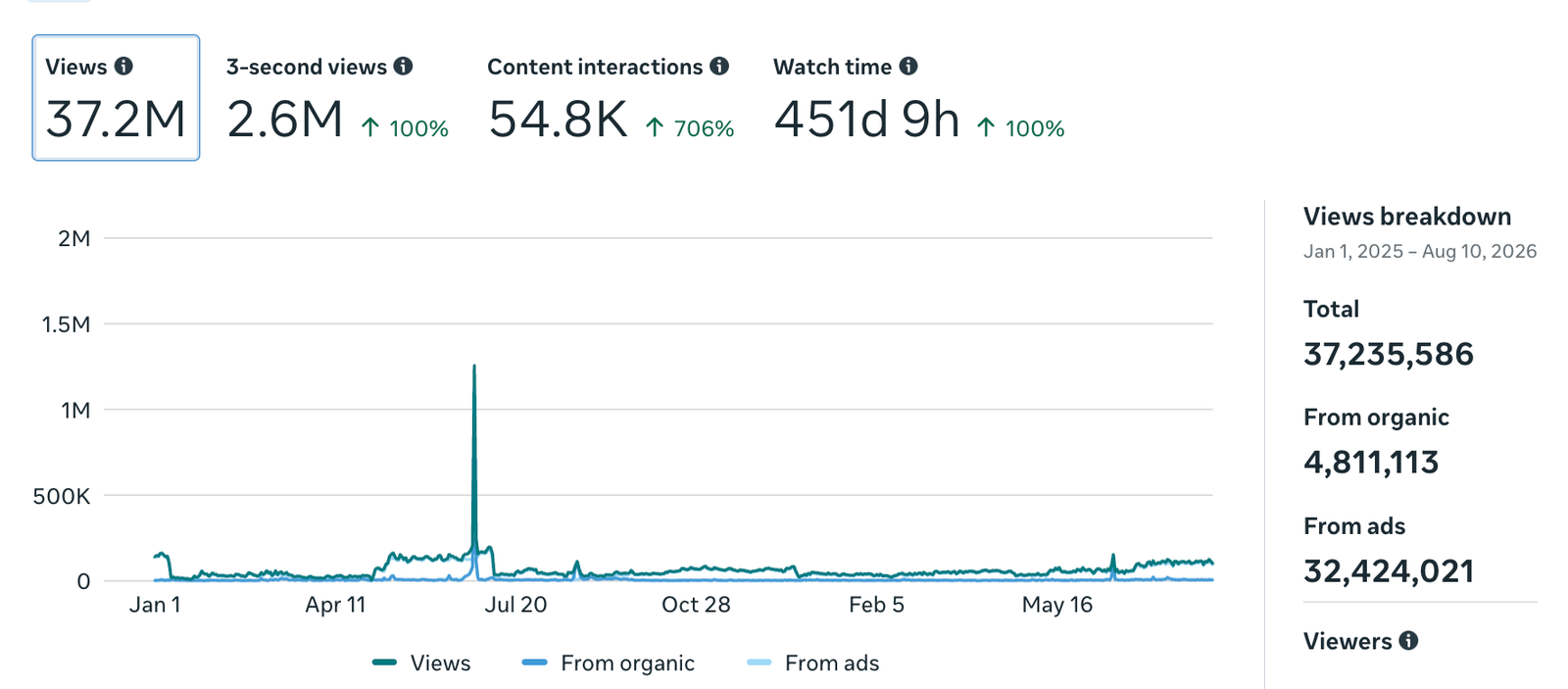
Starting From Zero – No Strategy, Just Posting
When I came into the brand, there was no real marketing direction. Content was being posted, sure, but it was reactive. No messaging strategy. No consistency. No connection between organic content and paid ads.
This is actually very common in hospitality.
Most restaurants think:
- “We just need to post more.”
- “Let’s boost this post.”
- “That video went viral, let’s do more of that.”
But here’s the truth: posting is not marketing.
What I introduced from day one was a system:
- Content strategy (what we post and why)
- Messaging framework (what we say and how we say it)
- Paid ads structure (how we scale what works)
Everything had to connect.
Step One – Fixing the Messaging First
Before running any ads, I fixed the messaging.
Because ads don’t fix bad messaging. They amplify it.
We broke down the brand into key content pillars:
- Product (dishes, drinks)
- Experience (ambience, service, family vibe)
- Authority (knowledge, meat presentation, expertise)
- Offers (promotions, events, seasonal campaigns)
Instead of random posts, every piece of content had a purpose.
For example:
- A food video wasn’t just “look at this food”
- It became “this is why people come here”
- It answered a question: Why choose this restaurant over others?
That shift alone changed everything.
Consistency is Not Optional (This is Where Most Fail)
This is where most brands fall off.
They post for a week. Then disappear. Then come back during busy seasons.
We did the opposite.
We committed to:
- 3–5 posts per week
- Consistent tone and visuals
- Repeating what works (not chasing trends blindly)
Consistency does two things:
- Builds familiarity (people start recognising your brand)
- Feeds the algorithm (Meta rewards consistent accounts)
Over time, this compounds.
It’s not about one viral video.
It’s about showing up every week with the right message.
The Power of Organic Before Paid Ads
Here’s something a lot of people get wrong:
They run ads too early.
We focused heavily on organic content first.
Why?
Because organic tells you:
- What people actually like
- What gets engagement
- What messaging works
Instead of guessing in ads, we used data from organic posts.
For example:
- A steak cutting video performs well organically → we turn it into an ad
- A family dining experience gets shares → we scale it
- A dish gets low engagement → we don’t waste ad spend on it
This is what I mean by the power of organic to sponsored ads.
Organic is your testing ground.
Ads are your amplifier.
Turning Organic Winners into Paid Campaigns
Once we identified winning content, we moved into ads.
Not boosted posts. Proper campaigns.
We structured ads around:
- Conversions (bookings)
- Traffic (website visits)
- Engagement (supporting content)
Each campaign had a purpose.
Instead of one ad set targeting “everyone,” we segmented audiences:
- People who engage with food and dining content
- People who follow similar venues
- Local audiences around each store location
We also aligned creatives with intent.
Example:
- Awareness → visually appealing food and ambience videos
- Consideration → experience-driven content
- Conversion → clear CTA (book now, visit today)
This layered approach is what most brands miss.
Optimisation – The Real Work Happens Here
Running ads is easy.
Optimising them is where the results come from.
Every week, we reviewed:
- Click-through rates
- Cost per click
- Conversion rates (bookings)
- Which creatives actually drove traffic
And then we adjusted:
- Swapped underperforming creatives
- Increased budget on winners
- Refined audiences
- Tested new messaging angles
One key mindset I always follow:
Don’t fall in love with your content. Follow the data.
Just because a video looks good doesn’t mean it performs.
What Actually Drove Results
Let’s be real.
It wasn’t one big idea.
It was a combination of small things done consistently:
- Clear messaging
- Consistent posting
- Using organic data for ads
- Structured campaigns
- Ongoing optimisation
That’s it.
No shortcuts.
No “hack”.
Just a system.
The Biggest Mistake I Avoided
A lot of brands chase virality.
We didn’t.
Because virality doesn’t equal bookings.
You can get:
- 1 million views
- Thousands of likes
…and still have empty tables.
From day one, I focused on:
- Who is clicking?
- Who is booking?
- Which location is getting traffic?
Because at the end of the day:
marketing should drive business, not just attention.
Local Strategy – Thinking Like an Advertiser in Sydney
As an advertiser in Sydney, one thing I always consider is location-based behaviour.
People don’t travel across the city randomly for dining.
They choose convenience + experience.
So we adjusted campaigns based on:
- Store locations
- Nearby suburbs
- Peak dining times
Each location had:
- Its own messaging angle
- Its own audience focus
This made the ads feel more relevant.
And relevance lowers costs and improves conversions.
Why This Approach Works for Hospitality
Hospitality is different from e-commerce.
You’re not just selling a product.
You’re selling an experience.
That means:
- Visual content matters more
- Trust matters more
- Repetition matters more
People don’t book instantly.
They see your content multiple times.
They build familiarity.
Then they decide.
That’s why consistency + messaging is everything.
From Social Media to a Full Marketing System
What started as social media management turned into a full marketing system:
- Content creation
- Paid advertising
- Customer journey thinking
- Retention strategy
Because once people visit, the job isn’t done.
You want them to come back.
So we aligned:
- Social content
- Ads
- In-store experience
Everything reinforced the same message.
What I’d Tell Any Hospitality Brand
If you’re running a restaurant and thinking about Meta ads, here’s the truth:
- Ads won’t save you if your messaging is weak
- Posting randomly won’t build a brand
- Viral content won’t guarantee bookings
What works is:
- Consistency
- Clear messaging
- Using organic insights
- Proper ad structure
- Continuous optimisation
That’s how you turn Facebook and Instagram social media marketing and advertising into something that actually drives revenue.
Not just noise.
If I had to sum it up in one line:
It’s not about doing more content, it’s about doing the right content, consistently, and knowing how to scale it.
May 14, 2026